What Makes an Aluminium Frame Structure So Strong? A Simple Guide

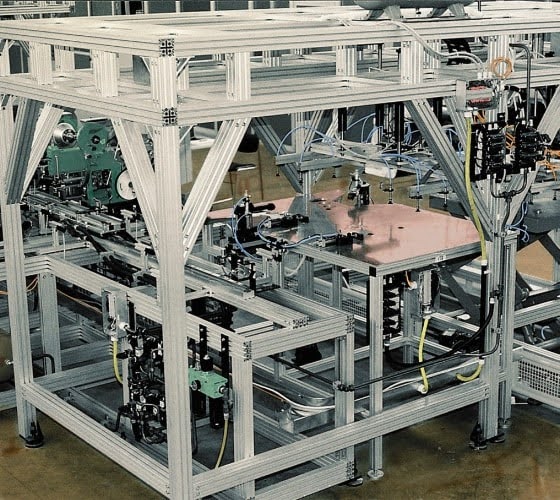
Aluminium frame structures are used everywhere – from industrial machinery and workstations to enclosures, guards, and even architectural builds. But what actually makes an aluminium frame structure so strong? And why do so many engineers, manufacturers, and designers choose aluminium over steel or timber for long-lasting builds?

This simple guide breaks down the science and the practical benefits behind aluminium framing, helping you understand why it’s one of the most reliable choices for both small and large projects.

Why Aluminium Is the Ideal Material for Strong Structures

Aluminium has a unique mix of properties that give it impressive strength without the heavy weight of other metals. It’s used across a huge range of industries, and there’s a good reason for that.

Aluminium combines natural rigidity with flexibility, meaning it can handle force and vibration without cracking or warping. When turned into an aluminium frame structure, the result is a system that stays strong, stable, and safe even under demanding conditions.

The Strength-to-Weight Ratio: One of Aluminium’s Biggest Advantages

One of the main reasons aluminium frame structures are so strong is because of aluminium’s strength-to-weight ratio. It is much lighter than steel while still offering great load-bearing ability. This makes aluminium ideal for:

– Technical furniture

– Machine frames

– Modular workstations

– Industrial enclosures

– Display units

– Conveyor systems

Because aluminium is light, frame structures are easier to handle, transport, and assemble — all without losing the durability needed for everyday industrial use.

How Aluminium T-Slot Profiles Reinforce Stability

Most aluminium frame structures use T-slot profiles. These are extruded aluminium lengths with grooves on each side, allowing components to lock together securely.

Why T-slot profiles boost strength

T-slot profiles increase strength in several ways:

– Even weight distribution: The profile shape spreads pressure across the full frame.

– Reinforced corners: Connectors lock firmly into the slots, helping the frame stay rigid.

– Customisable support: Extra bracing or panels can be added without weakening the system.

Because the connectors attach directly inside the grooves, the overall structure becomes a single solid unit, improving both stability and reliability.

Corrosion Resistance Makes Aluminium Last Longer

Another major contributor to strength is aluminium’s natural resistance to corrosion. When aluminium is exposed to the air, it forms a thin oxide layer that protects it from rust. This means an aluminium frame structure will hold its shape and strength for many years — even if it’s used in:

– Damp environments

– Areas with high humidity

– Places with regular temperature changes

Where steel might rust or wood might swell, aluminium stays dependable. This long-term durability is one of the reasons it’s chosen for demanding industrial settings.

Aluminium Is Flexible Without Losing Strength

While aluminium is strong, it also has a degree of flexibility that helps absorb movement or vibration. Rather than snapping, aluminium can bend slightly under pressure and return to its original form. This makes it ideal for building structures that need to cope with:

– Heavy machinery movement

– Repetitive daily use

– Transport vibration

– Environmental changes

This balance between rigidity and flexibility is one of aluminium’s “hidden” strengths that many people underestimate.

Connect Technology Plays a Key Role in Structural Strength

The way aluminium profiles are joined together is just as important as the material itself. High-quality connect technology is designed to lock the profiles together in a way that maximises strength and load distribution.

Quality connectors:

– Hold frames tightly under pressure

– Reduce the risk of twisting or shifting

– Help the structure cope with heavy loads

– Support multi-directional forces

When original approved connect technology is used – like the connectors designed specifically for Kanya AG profiles – the overall frame gains a level of reliability that cheaper connection systems simply can’t match.

Why Aluminium Is Also Stronger in Practical, Real-World Use

Strength isn’t only about numbers. It’s also about how easy it is to build, maintain, and adjust a structure without weakening it.

Aluminium frame structures stay strong because:

– They are simple to assemble

– They can be adapted without damage

– They don’t rely on specialised tools

– They are stable even when expanded

This makes aluminium one of the best materials for modular builds, adjustable workstations, and any project that may need future updates.

What Industries Rely on Aluminium Frame Structures?

A huge range of industries choose aluminium frames because they offer consistent performance, including:

– Manufacturing

– Aerospace

– Transport

– Robotics

– Packaging

– Technical furniture

– Electronics

– Medical and laboratory use

In each of these sectors, strength and reliability are essential. Aluminium delivers both while keeping installations easy to manage and cost-effective long term.

How Kanya UK Creates Stronger Aluminium Frame Structures

If you want your aluminium frame structure to be as strong as possible, the quality of the profiles and connectors matters just as much as the design.

Kanya UK provides officially approved Kanya AG aluminium profiles, connectors, and accessories – known for their precision engineering, consistency, and impressive durability. With over 30 years of experience in aluminium manufacturing, the team supports clients from the very first design idea through to assembly and installation. Whether you want a ready-cut kit, a bespoke solution, or a fully planned and installed build, Kanya UK can help you get a strong, long-lasting structure that fits your exact needs.
Creative Ways to Use Aluminium Framing in Custom Projects

Aluminium framing has become a go-to choice for engineers, makers and facilities teams who want builds that are strong, neat and easy to change later. It’s lightweight, corrosion-resistant and modular, which means you can turn ideas into working structures quickly – then tweak them without starting again. Below you’ll find practical, creative ways to use aluminium framing, plus simple design tips to help you get a tidy, professional finish.

Why Aluminium Framing is Perfect for Custom Builds

Before we jump into ideas, it’s worth understanding why aluminium framing works so well for one-off projects and evolving setups. The combination of strength, low weight and a huge range of compatible parts makes it ideal for everything from benches to safety guarding.

Lightweight but Strong Enough for Daily Use

Because aluminium has a high strength-to-weight ratio, you get structures that are solid without being a pain to move. That’s useful for mobile carts, adjustable workstations and exhibition rigs where you need both rigidity and portability.

Modular and Reconfigurable

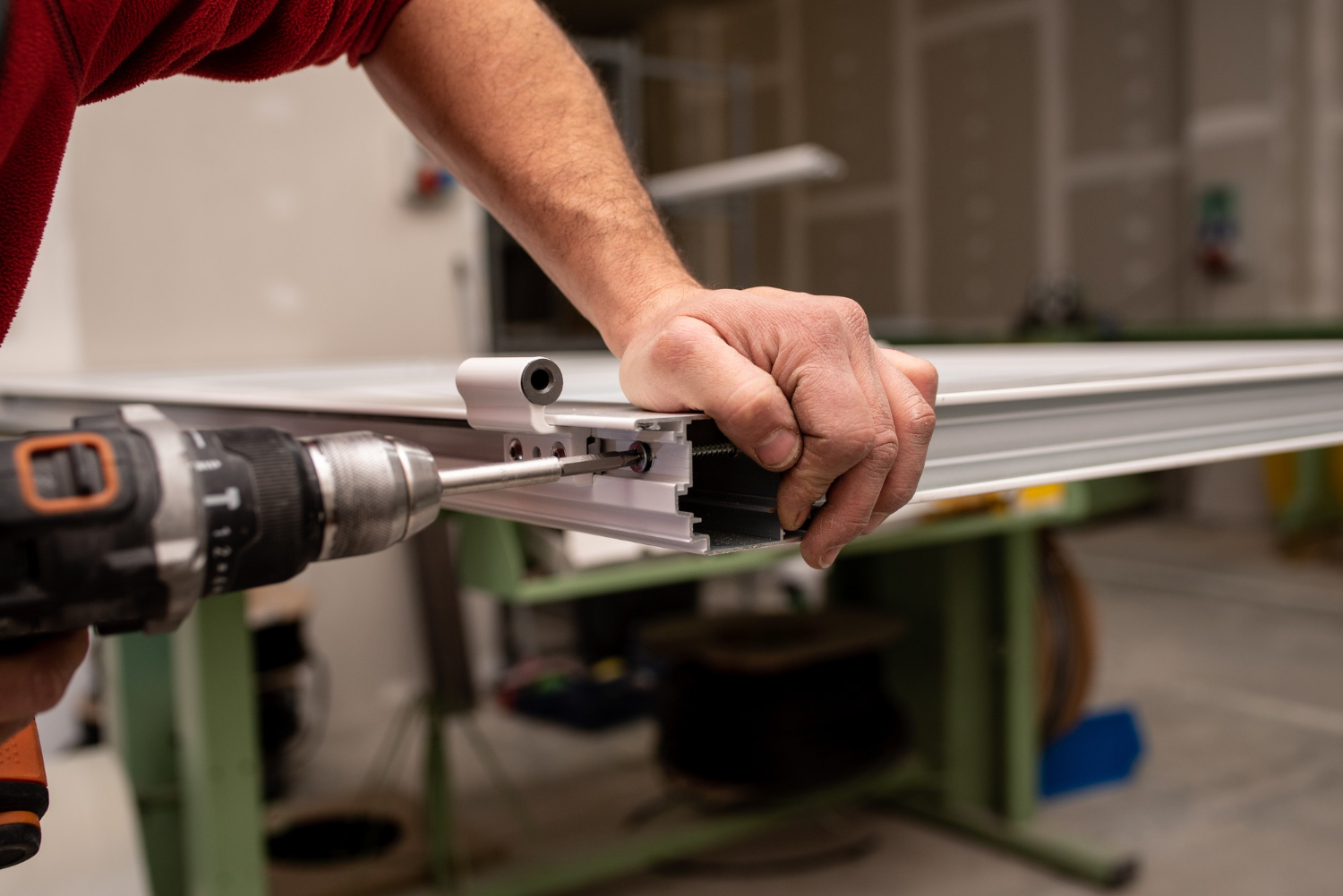
T-slot aluminium framing lets you add brackets, panels, shelves and accessories wherever you need them – no welding, no paint, and minimal downtime. If your process changes, loosen a few connectors, slide components, and tighten back up.

Clean, Professional Finish

Anodised aluminium framing looks smart straight out of the box and pairs well with panels in aluminium, acrylic, foamex or PETG. With corner caps, feet, hinges and cable channels, it’s easy to hide fixings and keep everything tidy.

Project Ideas You Can Build With Aluminium Framing

This is where aluminium framing shines. It’s not just for factory lines; it works in labs, workshops, studios, stores and event spaces. Here are tried-and-tested ideas you can adapt to your needs.

Ergonomic Workstations and Benches

Create height-adjustable benches with shelves, monitor arms and tool rails fixed directly to the frame. Add lockable castors for mobility, ESD-safe worktops for electronics, and cable management inside the profiles for a clutter-free surface.

Machine Guarding and Safety Enclosures

Build fixed or hinged guards with clear polycarbonate panels so operators can see the process while staying protected. Aluminium framing makes it simple to add interlocks, handles and gas struts, and to modify openings as machines change.

Mobile Trolleys and Line-Side Carts

From Kanban racks to parts trolleys, aluminium framing helps you build sturdy carts that match your containers and workflow. Fit rollers, louvred panels, bins and shadow boards – then reconfigure layouts as stock or tasks evolve.

Test rigs and prototype fixtures

When you need a quick jig for endurance testing or a mount for sensors, aluminium framing gives you a precise, square base that’s easy to adjust. Slot in brackets for load cells, cameras or control boxes and reposition them in minutes.

3D Printer, Laser and Electronics Enclosures

Reduce dust, noise and fumes with framed cabinets that include viewing windows, fans and filters. Aluminium framing supports hinged doors, magnetic catches and sealed panels without the faff of welding or custom metalwork.

Cleanroom and Lab Partitions

Build modular partitions and pass-through hatches that can be extended as your space grows. Smooth anodised surfaces and sealed panels help airflow and hygiene, while removable sections make maintenance simple.

Retail Displays and Pop-Up Stands

Create eye-catching product plinths, shelving and backdrops that pack down flat for transport. Aluminium framing supports printed panels and lighting tracks, and it’s strong enough to handle daily use in busy retail areas.

AV, Studio and IT Racks

Design custom frames for mixers, monitors, cameras and servers with VESA mounts and slide-out trays. Route cables through the profiles for a neat studio or comms room, and add lockable doors where security matters.

Conveyor Supports and Line-Side Structures

If you’re adding small conveyors or chutes, aluminium framing gives you a stable base with easy height and tilt adjustment. Build FIFO (first-in, first-out) racks, gravity lanes and buffer stations that integrate with your line.

Robotics Cells and Cobot Bases

Create compact, rigid platforms with machine feet or anti-vibration mounts. Aluminium framing makes it straightforward to bolt on guarding, light curtains and trays for end-effectors – then scale up as your automation grows.

Architectural Features, Signage and Branding

From reception desks to wall features and illuminated signs, aluminium framing can support panels printed with logos and wayfinding. You’ll get sharp corners, hidden fixings and a premium look without heavy steelwork.

Design Tips for Getting the Best from Aluminium Framing

A little planning goes a long way. These quick tips will help your aluminium framing project go smoothly and keep future changes painless.

Start With Load, Space and Environment

List what the frame must carry, where it lives, and what it will face – heat, moisture, chemicals, static or impact. Choose profile sizes and panel materials to suit real-world use, not just the CAD model.

Use Standard Profiles and Connectors

Stick to common profile sizes and corner connectors unless there’s a clear reason not to. Standard parts are easier to source, faster to assemble and simpler to expand later.

Plan Panels, Doors and Access Early

Decide where you need clear panels, solid panels, hinges, gas struts or removable sections. Design cable runs, power distribution and ventilation into the aluminium framing rather than retrofitting them at the end.

Think Ergonomics and Adjustability

Set working heights, reaches and sightlines for the people who’ll use the setup. Build adjustment with slotted brackets, telescopic legs or different foot options so one frame suits different operators or tasks.

Design for Tomorrow, Not Just Today

Add spare T-slots, extra fixings and a little space for future kit. Aluminium framing makes rework easy – designing with change in mind makes it cheaper and quicker when the time comes.

Example Build: a Modular Electronics Test Bench

Let’s bring it together with a simple, repeatable project that shows how aluminium framing saves time and faff.

– Frame the base: Use mid-weight profiles for legs and cross-members. Add levelling feet or lockable castors.
– Fit the worktop: Choose ESD laminate or hardwood and mount it on top plates fixed to the aluminium framing.
– Add the back frame: Create an upright gantry for monitors, bins and pegboards. Include a cable tray behind.
– Mount power and I/O: Fix a power strip, isolator and network points directly to the T-slots. Route cables inside the profiles.
– Include storage: Slide-in drawers or shelves below, with a PC shelf on one side and a printer on the other.
– Finish with safety and lighting: Add task lighting to the gantry and a clear polycarbonate splash panel where needed.

The result is a sturdy, professional bench that you can extend later with instrument shelves, extra screens or a small enclosure – without redesigning the whole thing.

Need Help Turning Your Idea Into a Finished Build?

If you’ve got an idea you want to bring to life, Kanya UK can help at every step. With over 30 years’ experience in aluminium building manufacturing, we hold a large stock of profiles and accessories in Hampshire and provide CAD files to speed up your design. You can tap into a free award-winning design service with ergonomic expertise, free project management, and qualified installation. Every build is assembled in the factory before dispatch, FAT inspections are welcomed, and ready-cut kits with connectors make on-site assembly simple. There’s also in-house digital printing for branded panels, signage and artwork, plus fully bespoke technical furniture solutions through their Thinking Space Systems team. Contact us today.

FAQs About Aluminium Framing

What is aluminium framing?

It’s a modular system of extruded aluminium profiles (often with T-slots) and connectors that join together to make frames, enclosures, benches and more – no welding required.

Is aluminium framing strong enough?

Yes. Pick the right profile size and bracing for your load, and aluminium framing is more than strong enough for benches, guards, racks and machine bases used every day.

How does it compare to steel?

Steel is heavier and usually needs welding and paint. Aluminium framing is lighter, quicker to assemble, easier to rework and looks cleaner. For very heavy loads or impacts, engineered steel may still be best.

Can I add panels and doors?

Absolutely. Profiles are designed to accept panels in materials like acrylic, polycarbonate, aluminium and foamex. Hinges, locks and gas struts integrate neatly with the slots.

Is aluminium framing recyclable?

Yes. Aluminium is widely recycled, and using bolted joints means you can disassemble, reuse parts and reduce waste.

Kanya UK are excited to announce the launch of a new online catalogue!

The new Kanya UK edition of the Kanya Catalogue is available to order and download.

 Online Catalogue 2023 

New for Summer 2023:

Page links to the respective products within the catalogue

Direct link to the website for all aluminium extrusions (CAD download and request)

Video or website links for more information

Alloy details for all aluminium extrusions (technical information)

Faster user guidance through double pages

New Products:

Radius extrusion 100×100 – This new extrusion convinces with its elegant appearance and gives your construction a modern look

Corner extrusion 30×60 – versatile and suitable for machine frames

Suspension extrusion base 30 – enables simple and efficient assembly

Inlay profile – the ideal solution for inserting of 6 mm safety glass

Insert extrusion PVC, base 30 – specially developed for the installation of 5-6 mm panel elements

New Accessories:

Ground anchoring bracket – the practical solution for easy floor mounting

Lugs – can be used universally and offer many application possibilities

Double extrusion nuts, Type A32-36 and C32-36 – The new double extrusion nuts matching the distance to the direct connectors, simplify the assembly.

As sole distributors for Kanya in the UK and Ireland and our experience in aluminium construction projects over 30 years, we offer a professional service where we work with you every step of the way to create your vision using the Kanya aluminium profile system.

Download your Online Catalogue 2023 today!